Cranford Park wedding flower suppliers and venue rules
Posted on 15/10/2026
Planning flowers for a wedding at Cranford Park can feel simple at first, then suddenly not so simple. You want the bouquet to look beautiful, the ceremony flowers to suit the space, and the whole setup to work with the venue's rules rather than against them. That is exactly why understanding Cranford Park wedding flower suppliers and venue rules matters. A good florist can make your day look polished and calm; the wrong assumptions can leave you scrambling over timing, access, or what can and cannot be installed on site.
This guide brings together the practical side of choosing a wedding florist, the venue-rule side of planning, and the small details that tend to trip people up. You will find clear steps, useful comparisons, a checklist, and a realistic example of how to plan flowers for the day without the faff. Let's keep it straightforward, because wedding planning already has enough spinning plates.
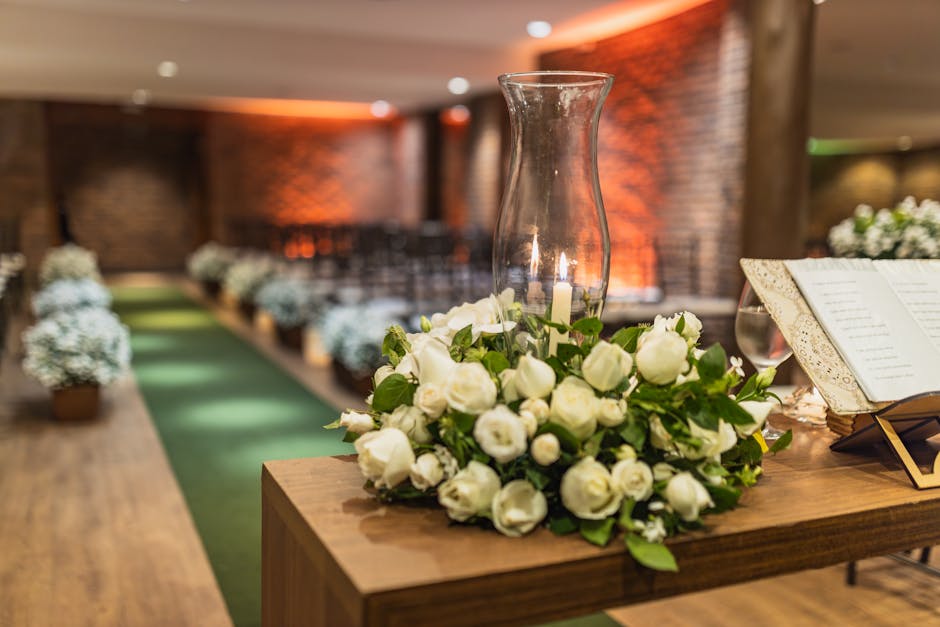
Table of Contents
- Why Cranford Park wedding flower suppliers and venue rules Matters
- How Cranford Park wedding flower suppliers and venue rules Works
- Key Benefits and Practical Advantages
- Who This Is For and When It Makes Sense
- Step-by-Step Guidance
- Expert Tips for Better Results
- Common Mistakes to Avoid
- Tools, Resources and Recommendations
- Law, Compliance, Standards, or Best Practice
- Options, Methods, or Comparison Table
- Case Study or Real-World Example
- Practical Checklist
- Conclusion
- Frequently Asked Questions
Why Cranford Park wedding flower suppliers and venue rules Matters
Flowers do more than decorate a wedding. They set the tone the second guests arrive. At Cranford Park, that means your florist needs to think about the setting, the ceremony layout, the access available for setup, and any venue guidance that affects what can be brought in or attached. The venue rules are not just admin. They shape what is actually possible.
For example, a supplier may suggest large freestanding arrangements, but if the venue limits floor space or asks for discreet, non-marking installation, the design may need adjusting. Likewise, some couples fall in love with a picture from a Pinterest board, then realise the reality involves windy outdoor spots, narrow paths, or limited load-in time. Bit of a mood killer if nobody checked first.
Getting this right matters for three reasons. First, it protects the look of the day. Second, it saves time and money. Third, it reduces last-minute stress, which is worth its weight in roses. If a florist already understands wedding flowers at venues like Cranford Park, they can design with the rules in mind from the start rather than trying to make a favourite idea fit later.
Expert summary: the best wedding flower plan is not the most dramatic one. It is the one that suits the venue, respects the rules, and still feels like you. That balance is where a good supplier earns their keep.
How Cranford Park wedding flower suppliers and venue rules Works
In practical terms, the process is a conversation between the couple, the florist, and the venue. The florist proposes designs; the venue sets boundaries; the couple decides where style and budget meet in the middle. Simple on paper. Slightly messier in real life, as most weddings are.
A florist working on a wedding at Cranford Park will usually need the following details:
- The ceremony location and exact time
- Whether the flowers are needed for a civil ceremony, reception, or both
- Any restrictions on candles, confetti, adhesives, hanging items, or ground fixtures
- Access times for delivery and setup
- Whether arrangements need to be moved between locations during the day
- Colour palette, dress style, season, and the level of formality
That last point is often underestimated. A flower supplier is not just filling vases; they are solving a design problem. White and green can feel crisp and timeless. Soft pinks and blush tones can feel romantic. Bold mixed colours can bring energy, but only if the rest of the wedding can carry it. A florist who knows what is going on with the venue will usually guide you towards options that look elegant and behave well on the day.
Venue rules, meanwhile, usually cover practical concerns rather than taste. Think access routes, where deliveries can be dropped, whether arrangements can be attached to furniture, and what must be removed after the event. You may also need to check whether the park or venue has sensitivities around wildlife, grass, pathways, or historic features. In a public or heritage-style setting, these things matter more than couples expect.
If your florist also offers ready-made wedding products, that can help with continuity. For example, a coordinated choice from the wedding flowers Cranford TW5 collection can keep bridal bouquets, buttonholes, and table pieces visually consistent without having to reinvent each item from scratch.
Key Benefits and Practical Advantages
There is a reason people who plan flowers properly look calmer on the wedding morning. It saves a lot of tiny headaches. Here are the main benefits of working with the right supplier and understanding venue rules early.
- Better design fit: flowers can be matched to the ceremony setting rather than guessed and hoped for.
- Less waste: you avoid paying for oversized arrangements that the venue will not allow or cannot display well.
- Smoother setup: delivery, installation, and collection happen with fewer surprises.
- More polished photos: flowers that suit the space look more intentional in pictures.
- Lower stress: the supplier handles the floral logic, so you are not left reading a rule sheet at 11 p.m.
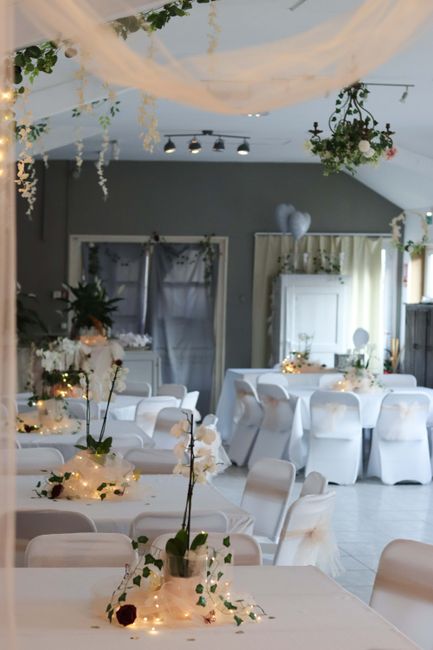
Another practical advantage is flexibility. A knowledgeable florist can suggest ways to reuse arrangements. For instance, a ceremony pedestal piece might later be moved to the reception table area. Bouquets may be styled for the aisle, then displayed in a vase during dinner. That kind of double duty can stretch a budget quite a bit, and honestly it is one of the smartest decisions couples make.
There is also a quality benefit. Flowers are living materials. They react to temperature, handling, and timing. A supplier who understands the route to Cranford Park, how long arrangements can sit before the ceremony, and whether the venue has indoor backup space is already ahead of the game.
Who This Is For and When It Makes Sense
This topic is for anyone planning a wedding at Cranford Park who wants the flowers to look good without causing avoidable issues. That includes couples organising a small civil ceremony, a larger celebration with a reception, and anyone bringing together multiple suppliers for the same day.
It is especially useful if:
- you are planning from another part of London or from outside the area
- you want a florist to handle delivery and installation, not just the bouquets
- you are unsure what the venue will allow
- you need a simple, budget-aware floral plan
- you want cohesive designs across bouquets, buttonholes, and table flowers
It also makes sense if you are trying to compare styles. Some couples want a very classic wedding look; others want something seasonal and relaxed. The venue rules can influence that decision more than people realise. A hanging installation may not be practical, but a series of low table arrangements could work beautifully. A grand staircase moment might not be available, but a neat entrance display could still feel special. There is nearly always a workable version of the idea, just not always the original one.
If you are browsing nearby suppliers, it may help to look at a local florist profile such as florist Cranford TW5 to understand the style, range, and delivery approach before you begin narrowing down the final wedding brief.
Step-by-Step Guidance
Here is a practical way to handle flowers for a Cranford Park wedding without getting tied in knots.
-
Start with the venue rules.
Before choosing flowers, confirm what Cranford Park allows. Ask about delivery times, setup windows, restrictions on attachments, and whether any areas are off-limits. If the venue has different rules for indoor and outdoor spaces, note that too.
-
Define the floral job.
List what you actually need: bridal bouquet, bridesmaid bouquets, buttonholes, ceremony arrangements, table flowers, and any extra pieces for photos or signage. This keeps the supplier focused and helps with pricing.
-
Choose a style that fits the setting.
Classic white florals, soft pastel mixes, seasonal colour, or a luxury full-coverage look all work differently in the same venue. Your florist should advise what reads well in the space and what will photograph best.
-
Check access and logistics.
Ask where the flowers will be dropped off, who can receive them, whether there are stairs or long walks involved, and how long setup will take. These details sound small. They are not.
-
Build in a contingency.
If the weather changes, if an arrangement needs moving, or if timings slip by 20 minutes, what happens? A sensible florist will plan for that. Weddings run on emotion and timing, not one or the other.
-
Confirm final counts and the finish.
About a week before the wedding, check the final guest count, key names, arrangement list, and delivery schedule. This is where mistakes usually get caught.
One useful thing to remember: the best wedding flower plans are usually simple enough to execute well. Not basic. Just clear. You do not need floral theatre everywhere. You need the right flowers in the right places, at the right time.
Expert Tips for Better Results
A few small decisions can lift the whole floral plan. These are the ones that tend to pay off.
- Ask for ceremony-to-reception reuse. A well-designed arrangement can move from one part of the day to another with minimal fuss.
- Keep the bouquet practical. Heavy bouquets look impressive in photos, but they can become awkward during a long service or many rounds of greetings.
- Match buttonholes to suit fabrics. If the groom and party are in delicate fabrics or dark tailoring, the flower and pinning method should be chosen carefully.
- Think about scent. Strongly scented blooms can be lovely, but in enclosed areas they can overpower the room. Some guests will love it; some will not.
- Use seasonal flowers where possible. They often look fresher, handle better, and give the florist more room to source quality stems.
Here is a small but important insight: wedding flowers are often judged by the quiet details, not the dramatic centrepiece. A clean bouquet finish, well-secured stems, and colour balance in the table flowers matter more than a huge one-off moment. Guests may not say it out loud, but they notice. Oh, they notice.
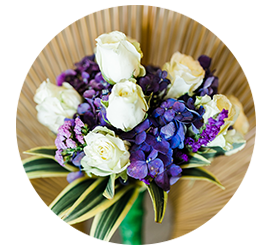
If you want a fully coordinated bridal and bridesmaid look, it can help to explore matching items such as wedding bridal bouquets and wedding bridesmaid bouquets. A supplier with pre-coordinated ranges can reduce the guesswork.
Common Mistakes to Avoid
Most flower problems at weddings come from a short list of very avoidable mistakes. Let's face it, none of them are glamorous.
- Ignoring the venue rules until late: this is the fastest way to end up with a design that cannot be installed as planned.
- Booking flowers without a delivery plan: a beautiful bouquet is not much use if it arrives too early, too late, or to the wrong point on site.
- Ordering too many separate items: sometimes couples add extras in isolation and end up with a cluttered look rather than a cohesive one.
- Overloading the bouquet: a bouquet should suit the dress, the day, and the person carrying it. Not just the mood board.
- Forgetting weather and season: summer heat, a windy entrance, or a chilly morning can all affect how arrangements hold up.
- Not confirming collection or disposal: after the wedding, someone needs to know what happens to stands, vases, and leftover stems.
A very common issue is choosing a design that looks stunning in a shop photo, then discovering it is too large for the ceremony table or too fragile for the access route. That is why venue-aware flower suppliers are worth their weight in petals. They are thinking about the full day, not just the brochure picture.
Tools, Resources and Recommendations
You do not need a huge toolkit to plan this well, but a few practical resources make the process much easier.
- A mood board: keep it simple with 5 to 10 images that show colour, shape, and feel.
- A written flower list: one document with bouquet, buttonhole, table, and ceremony requirements.
- A venue notes page: include access times, restrictions, and any special handling instructions.
- Guest and seating plans: especially useful if table arrangements need to match different table sizes or room layouts.
- Budget range: a rough range helps a florist recommend the right level of design without overreaching.
If you are still deciding between styles, it can be helpful to compare standard wedding products against the more bespoke ranges. For example, a focused bouquet-only approach is not the same as a full ceremony-and-reception floral plan. A good place to explore the wider wedding range is weddings, which can help you see how different items work together.
For couples who prefer a cleaner look with a more structured collection, browsing white wedding collections or mixed seasonal arrangements can be a useful starting point. It saves a lot of back-and-forth.
Law, Compliance, Standards, or Best Practice
Wedding flowers are not usually a heavily regulated service in themselves, but the day still sits within a wider framework of venue rules, health and safety, and fair trading expectations. That means you should pay attention to clear quotations, delivery terms, product descriptions, and any conditions about substitutions or fresh-flower availability.
In a venue environment, best practice usually means:
- respecting fire safety guidance, especially around candles or heat sources
- avoiding damage to floors, furniture, walls, and historic surfaces
- making sure setup does not block exits or cause trip hazards
- using secure installation methods rather than quick fixes that might fail mid-event
- confirming who is responsible for removing arrangements after use
If the venue has any specific conditions, the florist should work to those conditions, not around them. That may sound obvious, but in the real world people sometimes assume a decorator can improvise. Sometimes they can. Sometimes they really, really shouldn't.
Best practice also includes clear communication about substitutions. Flowers are seasonal and availability can vary, so a good supplier should explain what may change and what will remain consistent, especially for signature pieces like bridal bouquets or statement table flowers. You want transparency, not surprises on the morning of the wedding.
Options, Methods, or Comparison Table
Different floral approaches suit different Cranford Park weddings. Here is a simple comparison to help you decide what direction makes sense.
| Approach | Best for | Pros | Watch-outs |
|---|---|---|---|
| Ready-made wedding collection | Couples who want a coordinated look with less planning | Simple to order, consistent style, easier budgeting | Less flexibility if you want highly specific flowers |
| Custom floral plan | Couples with a strong vision or unusual venue needs | Most tailored, good for venue-specific requirements | Needs more consultation time and clearer briefs |
| Minimal bouquet-and-buttonhole setup | Smaller ceremonies or tighter budgets | Clean, elegant, lower cost, easy to manage | Less decorative impact in the room |
| Full ceremony and reception florals | Large weddings and photo-led celebrations | Strong visual impact, more polished overall look | Higher cost and more logistics |
If you are not sure which route to take, start with the venue constraints, then work outward from there. That usually gives you a better answer than starting with a fantasy arrangement and trying to make it fit. Practical, yes. But practical often looks better.
Case Study or Real-World Example
Here is a realistic example based on a typical Cranford Park wedding brief. A couple wanted a soft, romantic look with a white and blush palette. They imagined a large floral arch, lots of hanging detail, and table arrangements for every guest table. Very lovely idea. Quite a lot to fit, though.
After checking venue guidance, the florist scaled the plan into something more workable. The couple kept a statement bouquet, coordinated bridesmaid bouquets, buttonholes for the main party, two ceremony arrangements that could later be reused in the reception area, and smaller table pieces. The colours stayed consistent, the setup was easier, and the venue restrictions were respected without the design feeling stripped back.
What changed most was not the appearance, but the workflow. Delivery happened in one organised drop. The florist had clear access information. The venue team knew where each arrangement belonged. The couple got the look they wanted, but without the late-stage panic that comes from overcomplication. Honestly, the day felt calmer because the flowers were planned as part of the event, not treated as an afterthought.
That is the sweet spot for Cranford Park weddings: designs that are beautiful and venue-aware. The flowers should support the day, not fight it.
Practical Checklist
Use this checklist before you finalise your wedding florist and floral order.
- Confirm Cranford Park's venue rules for flowers, access, and setup.
- Ask whether any areas are restricted for installations or freestanding pieces.
- Decide which flowers you need: bouquet, bridesmaid bouquets, buttonholes, table flowers, ceremony flowers.
- Choose a style and colour palette that works with the venue and outfits.
- Check whether arrangements can be reused from ceremony to reception.
- Confirm delivery time, access route, and who will receive the flowers.
- Ask about substitutes if a flower is unavailable.
- Check whether the florist handles setup and collection.
- Review the final flower list and quantities at least once before the day.
- Keep a contact number handy for the florist and the venue coordinator.
Quick takeaway: the more clearly you define the venue rules and floral brief, the easier it is for the supplier to produce something elegant, safe, and on time.
Get a free quote today and see how much you can save.
Conclusion
Choosing Cranford Park wedding flower suppliers and venue rules is really about making the floral side of your wedding feel effortless. The supplier brings the design knowledge, the venue provides the boundaries, and your job is to steer the overall look with a clear brief and a realistic plan. When those parts line up, the flowers become one of the easiest things on the day. Well, mostly. Weddings are still weddings.
If you keep the focus on access, timing, style fit, and practical installation, you will avoid the common problems that catch people out. You will also get more value from your budget, because the money goes into arrangements that genuinely work in the space. That is the sort of planning that quietly pays off in every photo, every table, and every little moment when guests walk in and go, yes, this feels right.
And that is what good wedding flowers should do: make the room feel like your day, beautifully and calmly, without any drama for the wrong reasons.
Frequently Asked Questions
Do I need to check Cranford Park venue rules before booking a florist?
Yes. It is best to check the venue rules first, or at least at the same time. That way your florist can design within the real constraints rather than building a plan that may not be allowed on site.
What should I ask a wedding flower supplier before I book?
Ask about delivery timing, setup, collection, substitutions, venue experience, and whether they can work with any restrictions on hanging items, floor arrangements, or attachments. Those questions save stress later.
Can one florist handle bouquets, buttonholes, and table flowers?
Usually, yes. In fact, it is often better if one supplier handles the whole floral picture because the colours, scale, and style stay consistent across the day.
Are ready-made wedding flower collections a good option?
They can be very good if you want a coordinated look without too much planning. They are often easier to budget and simpler to order, especially for smaller weddings or couples who want a straightforward process.
What if the flowers I want are out of season?
A good florist will suggest alternatives that keep the same feel. You may not get the exact stem you had in mind, but you can often keep the colour palette and overall style intact.
How far in advance should I arrange wedding flowers?
Earlier is usually better, especially if you want a specific date, a custom design, or a busy season booking. Leaving it too late can reduce choice and make planning more rushed.
Can wedding flowers be moved from the ceremony to the reception?
Often they can, as long as the florist and venue agree on the logistics. This is a smart way to get more use from statement pieces and stretch the budget a bit further.
What are the most common venue rule issues with flowers?
The usual issues are access times, no-damage installation rules, restrictions on candles or adhesives, and whether large arrangements can fit safely in the space. Those are the things that trip people up most often.
Do I need to tell the florist about the venue layout?
Absolutely. Photos, a quick sketch, or even a simple description of the room and access route can help a florist plan much better. It is one of those small things that makes a noticeable difference.
What flowers work best for a venue like Cranford Park?
That depends on the season, the room, and the style of the wedding. Usually, the best choice is a palette and structure that suits the venue rather than forcing a very heavy design into a space that needs something lighter.
How do I know if a florist understands venue rules properly?
They will ask practical questions early: access, delivery windows, setup space, display limits, and collection. If they focus only on colours and forget the logistics, that is a sign to keep asking questions.
Is it worth paying more for a florist with venue experience?
Often, yes. Venue experience can save time, reduce mistakes, and help the floral design work better on the day. That does not mean you need the most expensive option, just one that understands the setting.